What Is Permanent Makeup?
Permanent makeup techniques are cosmetic procedures that use pigment to create long-lasting makeup effects. These methods are also called cosmetic tattooing. Many people choose permanent makeup to save time or to enhance their natural features. For example, you can wake up with fuller brows, defined eyes, or tinted lips every day. Although it is called “permanent,” the results can fade over time and may need touch-ups.
How Pigment Is Used in Permanent Makeup
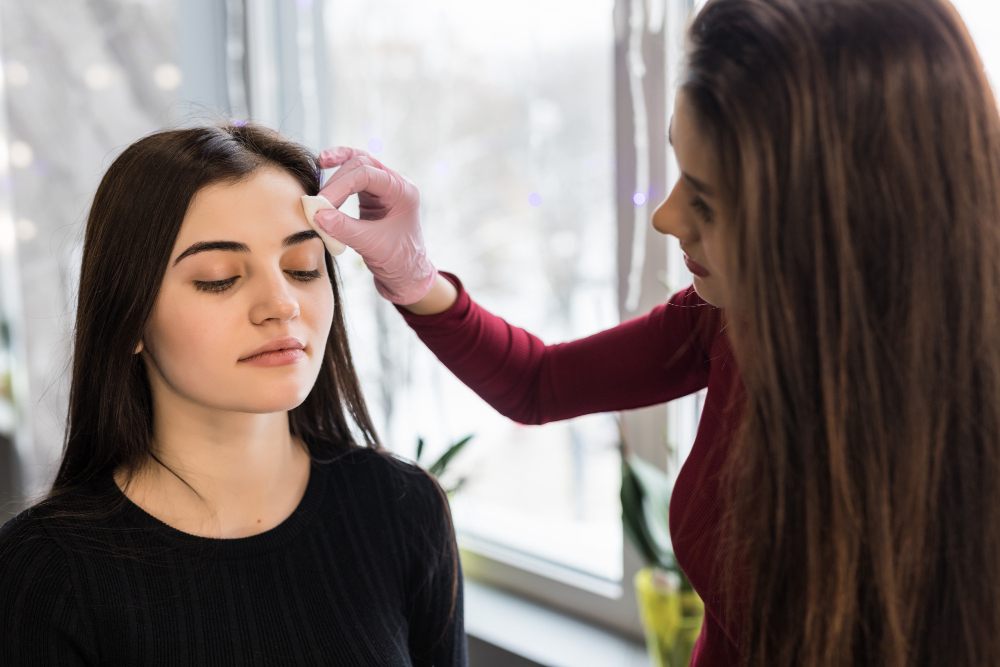
During permanent makeup, a trained specialist uses a fine needle to place pigment into the top layers of your skin. This process is similar to getting a tattoo, but the pigment does not go as deep. Because of this, the color looks softer and more natural. The pigment is chosen to match your skin tone and desired look. As a result, the effect blends well with your natural features. Over time, the pigment may fade, so touch-ups are often needed.
Popular Permanent Makeup Techniques
There are several popular permanent makeup techniques. Each one uses pigment in a special way to enhance your look. Here are some common methods:
Each method uses safe, skin-friendly pigments. However, you should always ask your specialist about the products they use.
Benefits of Enhancing Natural Features
Permanent makeup offers many benefits. First, it saves time in your daily routine. You do not need to apply makeup every morning. Second, it can boost your confidence by highlighting your best features. For example, people with thin brows or pale lips can enjoy a more defined look. In addition, permanent makeup is helpful for those with allergies to regular makeup. Some people with vision or movement problems also find it easier. Overall, these techniques provide a natural-looking result that lasts.
Safety, Risks, and Aftercare
Although permanent makeup is generally safe, there are some risks. Infection, allergic reactions, or uneven color can occur if proper care is not taken. Therefore, it is important to choose a certified professional. The CDC recommends using sterile equipment and following strict hygiene rules. After your procedure, you should follow these aftercare tips:
If you notice any problems, contact your provider right away. For more information, you can visit the CDC’s guidelines on cosmetic tattoo safety.
Choosing a Qualified Practitioner
Choosing the right specialist is key to safe and natural-looking permanent makeup. Here are some tips to help you decide:
In many cities, local health departments set rules for cosmetic tattooing. Therefore, make sure your provider follows these rules for your safety.
Frequently Asked Questions
In summary, permanent makeup techniques use pigment to enhance your natural features in a safe and lasting way. If you are interested, consult Dr. Meghana Singathi for advice tailored to your needs.